Walk-In Cooler Not Cooling? What to Check Before You Call
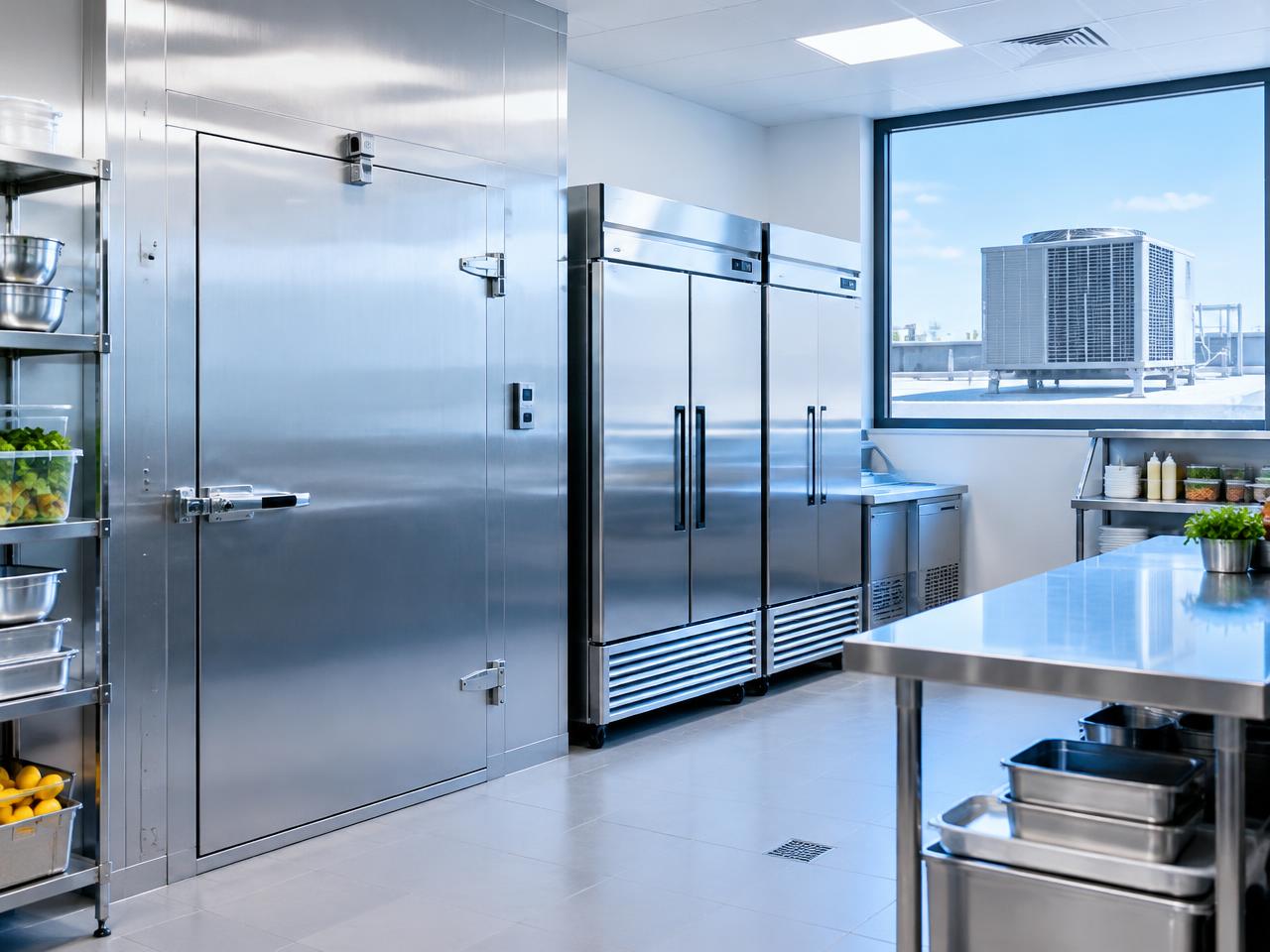
A walk-in cooler that won't hold temperature puts inventory, food safety, and a full day of service at risk. In Miami, where condensers sit in heat and humidity most of the year, small problems can turn into warm boxes fast.
Some causes are simple and you can check them yourself in a few minutes. Others need a refrigeration technician. Here's how to tell the difference.
Quick checks you can do right now
Thermostat and controller
Confirm the setpoint hasn't been bumped and the display reads a sensible number. Most walk-in coolers are set in the mid-30s °F.
Power and breakers
Make sure both the evaporator (inside the box) and the condensing unit (often on the roof or outside) have power. A tripped breaker on just one side is a common cause.
Door, gaskets, and strip curtains
A door that doesn't close fully, a torn gasket, or missing strip curtains lets warm, humid air in all day. Close the door on a sheet of paper; if it slides out easily, the seal is weak.
Airflow inside the box
Boxes and cases stacked against the evaporator fan block the cold air. Leave a few inches of clearance around the unit and along the walls.
Dirty or blocked condenser
The outdoor condenser has to release heat. Leaves, dust, grease, or anything stored around it makes the system struggle, especially on hot afternoons.
Signs it's time to call a technician
If the quick checks don't solve it, or you notice any of the following, stop troubleshooting and call for service:
Ice building up on the evaporator coil
Heavy frost or a block of ice usually points to a defrost, fan, or airflow problem. Chipping at ice can damage the coil.
Evaporator fans not spinning
If the fans inside the box are still or noisy, cold air isn't moving even if the system is running.
Unit runs nonstop but stays warm
Constant running without reaching temperature can mean a refrigerant, compressor, or condenser issue.
Compressor clicking, humming, or not starting
Electrical and compressor problems need proper diagnosis before parts are replaced.
Water pooling on the floor
A clogged or frozen drain line can leak water and lead to ice on the floor and coil.
Oily spots or hissing near lines
These can be signs of a refrigerant leak. Refrigerant work is regulated and must be handled by a certified technician.
How to protect your product while you wait
Keep the door closed
Plan trips in and out so the box loses as little cold air as possible.
Log the temperature
Write down readings and times. It helps the technician diagnose the problem and documents your food-safety steps.
Move high-risk items first
The FDA Food Code calls for cold-held foods to stay at 41 °F or below. If the box is climbing past that, move meat, seafood, and dairy to working refrigeration.
Preventing the next breakdown
Most walk-in cooler failures give warning signs first. Keeping condenser coils clean, replacing worn door gaskets, keeping the evaporator clear, and scheduling regular preventive maintenance all reduce the chance of a warm box in the middle of a busy week.